Our Mission
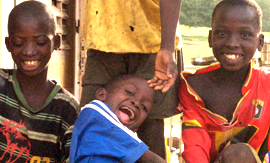
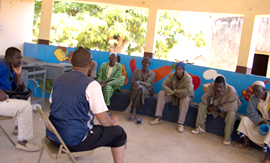
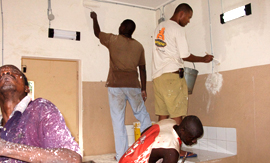
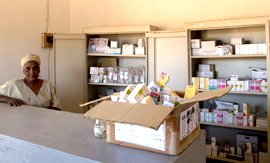
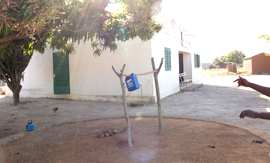
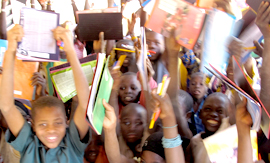
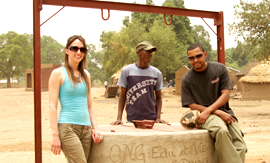
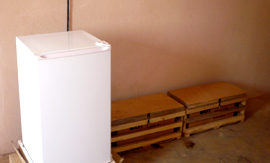
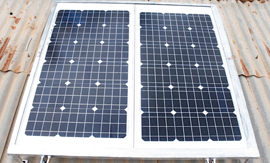
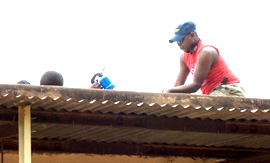
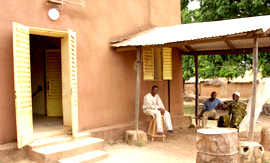
Practical Small Projects creates new health, education, and income-generating opportunities in West Africa through the provision of potable water systems, health care centers, schools, and solar energy. Our projects require minimal environmental and financial investment.
We respond to needs specific to each community and believe that skill transfer, support for local business, and access to basic needs produces significant results. Small and practical, PSP effects big change!
For more information please email info@practicalsmallprojects.com
How to Donate
- $50* Powers a Cell Phone
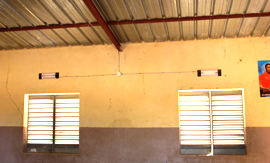
- $5000* Lights Up a School
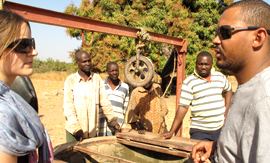
- $12,000-16,000* Constructs a Well
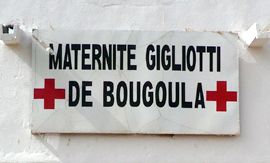
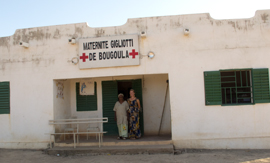
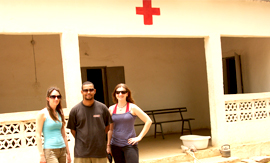
- $35,000* Constructs a Maternity
You can make a donation online through the link above, or by sending a check made payable to "Practical Small Projects" to:
Williamsburg, VA 23188
*our costs are approximations and can change based on currency fluctuations, number of classrooms, or village location.
Well cost is for a hand dug well. Our work is catered to and varies on the village.
In the news

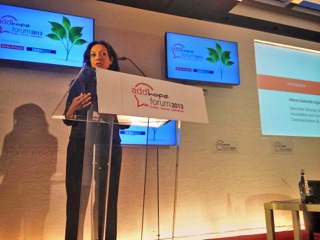
PSP was invited to attend the Ad Hope Forum in Geneva, Switzerland. Marie-Gabrielle Cajoly the Executive Director, Sinopec-Addax Petroleum Foundation and Corporate Head of Communications & CSR, Addax Petroleum Ltd. spoke at the Add Hope Forum.